The arrival and its lasting impact
When the Europeans first arrived here, they were critically wrong about many things. They saw huge swathes of old-growth forests, large fertile meadows, life-giving wetlands, savanna grasslands, and more. It was assumed that all of this land was untouched or at best under-utilized by the people who lived here since time before memory.

A thriving, managed landscape
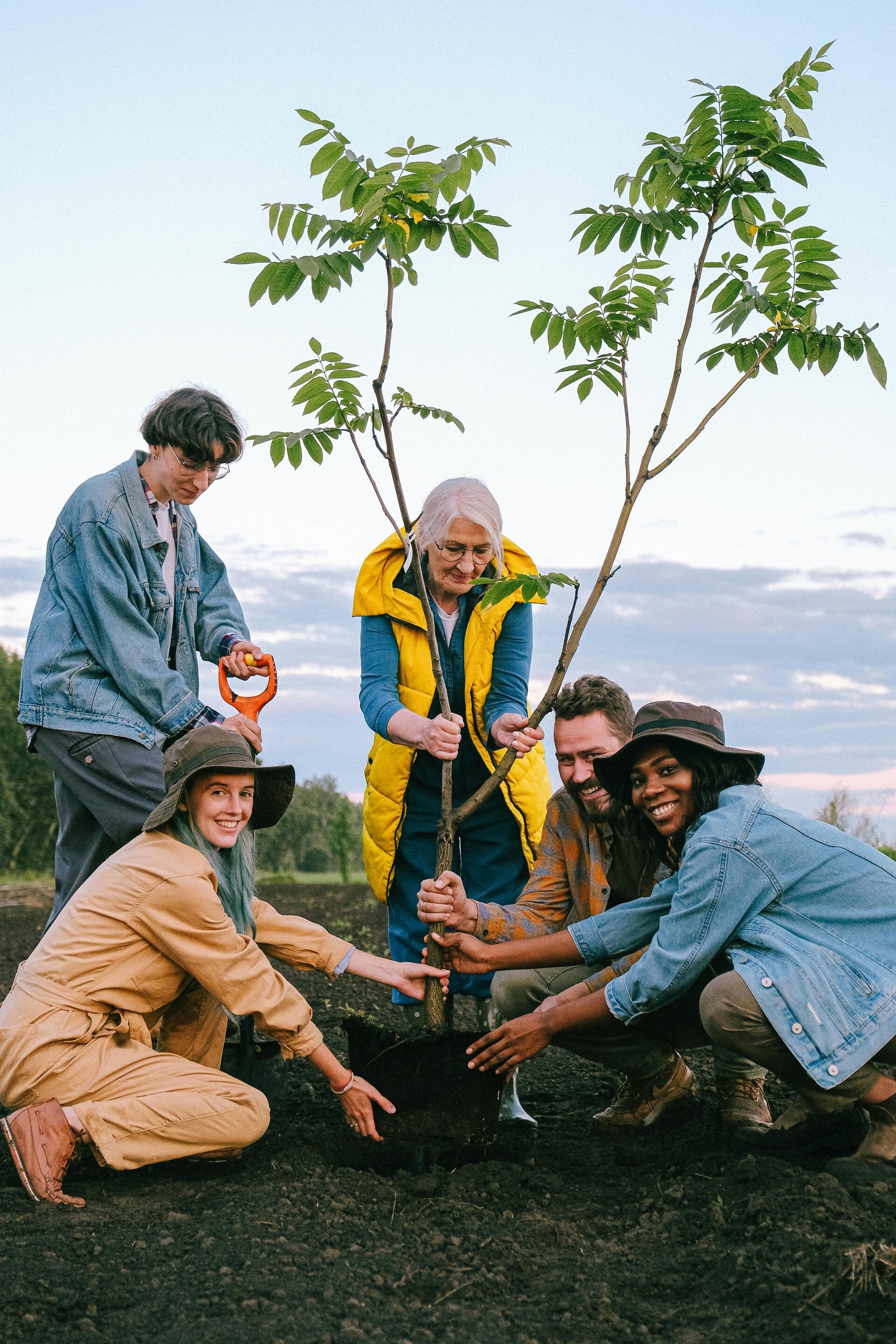
These diverse landscapes existed precisely because people interacted with them on a regular basis. Species like corn, squash, and others were brought here through trade and travel. Trees such as walnuts, butternut, chestnuts, and more were cultivated and grown for their food-giving capacity. Wetlands were maintained and cared for so that cattails and roots could be harvested for medicine when needed most.
Interconnected thinking and sustainable living
There was a fully sustainable economy governed by an indigenous perspective on natural phenomena and the consequences of damaging the environment. Interconnected thinking has always been built into the cultures and languages of this land. In small ways, I hope to take steps back to a better connective understanding.

Towards reconciliation and understanding
That will help me to find my own way to reconciliation with the land and the peoples who lived here and nurtured the very lands that we stand on today. By acknowledging the past and understanding indigenous knowledge, we can move towards a more sustainable and equitable future.
"Understanding the history of this land is crucial for building a truly reconciled future."
Wayne Olson